Electric Car Insurance USA 2026 – Why It Costs More and How to Save
Published: May 2026 | Category: Auto Insurance | Reading Time: 8 min
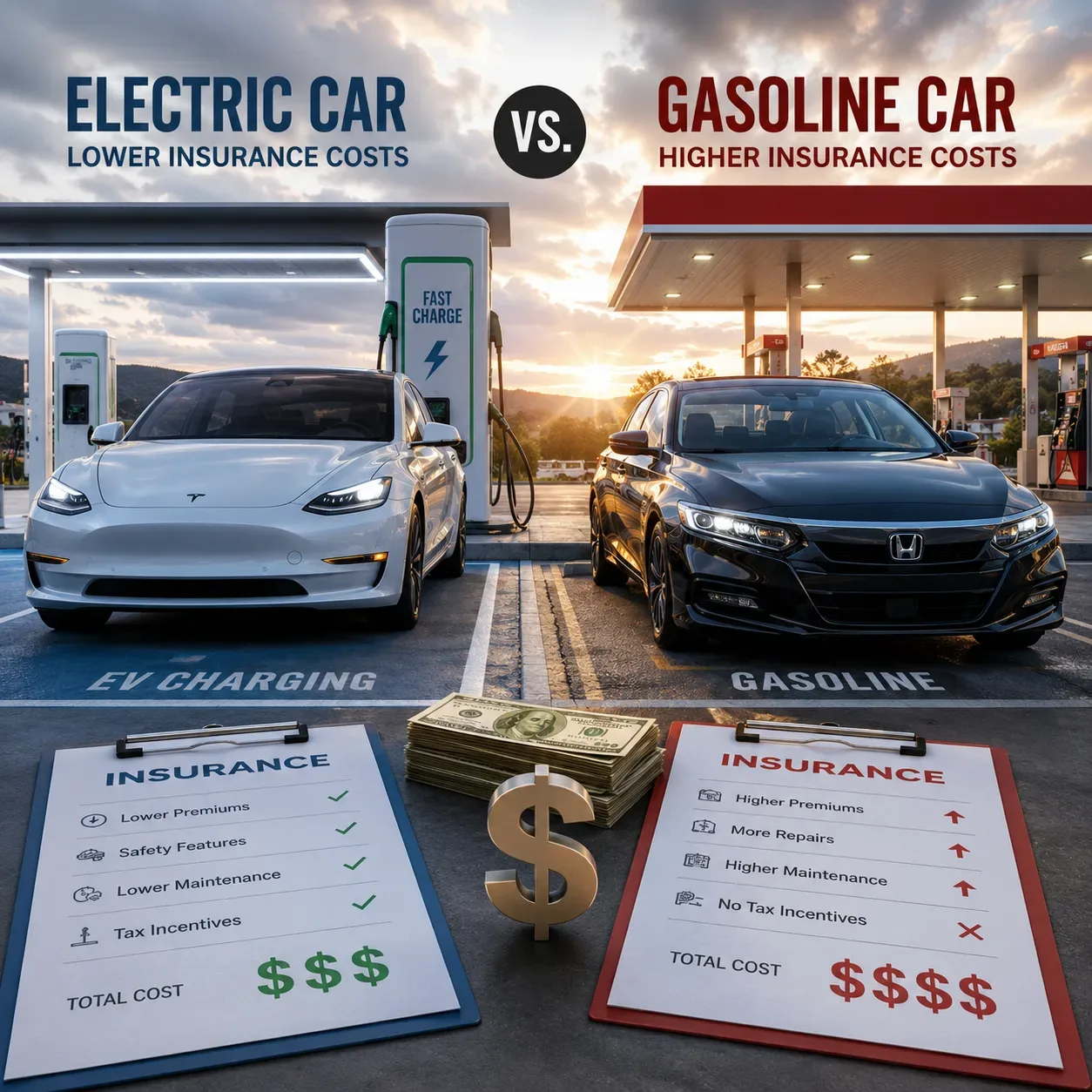
Electric vehicle insurance in the USA now costs significantly more than traditional gas-powered vehicle coverage — but smart drivers can still save hundreds every year.
Electric vehicles are no longer the future — they are the present. In 2026, EVs dominate conversations across the American auto market. Tesla, Rivian, Ford, Hyundai, Chevrolet, Kia, Lucid, Mercedes-Benz, BMW, and dozens of other manufacturers are investing billions into electric mobility. Across the United States, more Americans are switching from gasoline-powered cars to fully electric vehicles than ever before.
But for many new EV buyers, there is one unexpected shock waiting after they purchase their dream electric car: the insurance bill.
Across the USA in 2026, electric car insurance costs between 20% and 40% more than comparable gas-powered vehicles. Some premium EV models cost thousands more annually to insure. Drivers expecting savings from fuel and maintenance are often surprised to discover that insurance can significantly increase total ownership costs.
So why exactly does EV insurance cost more? Are insurance companies unfairly charging electric vehicle owners? Or are there real reasons behind the higher premiums?
More importantly — what can you actually do to lower your EV insurance costs in 2026?
This complete guide explains everything you need to know about electric vehicle insurance in the United States, including why prices are rising, which companies offer the best coverage, how batteries affect insurance claims, and the smartest ways to reduce your premium.
Why Electric Car Insurance Costs More in 2026
Insurance companies calculate risk very carefully. When insurers evaluate electric vehicles, they see several expensive factors that increase claim costs compared to traditional cars.
1. Electric Vehicles Are More Expensive to Buy
The first reason is simple: EVs usually cost more upfront.
Even though electric vehicle prices have fallen over the past few years, most EVs still have higher sticker prices than equivalent gasoline vehicles. Since insurers base coverage partly on vehicle value, a more expensive car naturally leads to a higher premium.
For example, replacing a totaled Tesla Model Y costs significantly more than replacing a similarly sized gasoline SUV. Insurance companies account for that increased replacement cost when pricing policies.
2. Battery Packs Are Extremely Expensive
The battery is the single most expensive component inside an electric vehicle.
Modern EV battery packs can cost anywhere from $10,000 to over $25,000 depending on the model. Even relatively small damage near the battery system can trigger expensive inspections or complete replacement recommendations.
In many accident cases, insurers choose to total EVs rather than risk future battery safety issues. This dramatically increases insurance company payouts.
Battery fire risks, thermal runaway concerns, and specialized repair requirements also increase claim complexity.
3. EV Repairs Require Specialized Technicians
Electric vehicles cannot be repaired at every traditional auto body shop.
Most EVs require specially trained high-voltage technicians who understand advanced electrical systems, battery management modules, autonomous driving sensors, and manufacturer-certified repair procedures.
Certified EV repair facilities are still limited in many states. Fewer qualified repair shops create longer wait times, higher labor costs, and more expensive claims overall.
4. Advanced Technology Increases Repair Costs
Modern EVs include some of the most advanced automotive technology ever developed.
Features like:
- Autopilot systems
- Adaptive cruise control
- 360-degree cameras
- Radar sensors
- Lidar systems
- Lane-keeping technology
- AI-assisted driving features
make repairs much more expensive after even minor accidents.
A simple bumper replacement on some EVs can require recalibration of multiple sensors and cameras, turning a basic repair into a multi-thousand-dollar insurance claim.
5. Insurers Still Have Limited Historical Data
Traditional gasoline vehicles have decades of insurance claim history behind them. Insurance companies know exactly how much repairs usually cost and how often certain vehicles are involved in accidents.
Electric vehicles are still relatively new compared to traditional cars.
Because insurers have less long-term claims data, they often price EV policies more cautiously. Uncertainty leads to higher premiums.
Average EV Insurance Costs in the USA (2026)
Average annual full coverage insurance costs for popular EVs in 2026 include:
- Tesla Model 3: $2,200 – $3,100 per year
- Tesla Model Y: $2,400 – $3,500 per year
- Tesla Model S: $3,500 – $5,200 per year
- Ford Mustang Mach-E: $1,900 – $2,800 per year
- Chevrolet Bolt EUV: $1,700 – $2,400 per year
- Rivian R1T: $3,200 – $4,700 per year
- Hyundai Ioniq 6: $1,800 – $2,500 per year
- Kia EV9: $2,100 – $3,000 per year
For comparison, the average gas-powered vehicle in America costs roughly $1,700–$2,200 annually for full coverage in 2026.
Best Insurance Companies for Electric Cars in 2026
Tesla Insurance
Tesla Insurance remains one of the best options for Tesla owners. The company uses real-time driving behavior through its Safety Score system to personalize premiums. Safe drivers can save substantial amounts compared to traditional insurers.
GEICO
GEICO consistently offers strong pricing for affordable EV models like the Chevrolet Bolt, Nissan Leaf, and Hyundai Ioniq. Their digital tools and multi-policy discounts make them attractive for budget-conscious EV owners.
State Farm
State Farm remains one of the most trusted insurance companies in America and offers excellent EV support through its Drive Safe & Save program. Their large repair network helps reduce repair delays.
Progressive
Progressive’s Snapshot telematics program is especially useful for EV owners who drive carefully and log fewer annual miles.
Nationwide
Nationwide stands out because it offers optional protection for EV charging equipment and charging cables — something many insurers still overlook.
Does EV Insurance Cover Battery Damage?
In most cases, yes.
Comprehensive and collision coverage usually protects EV batteries against:
- Accident damage
- Fire
- Flooding
- Theft
- Weather-related damage
However, standard insurance generally does NOT cover:
- Normal battery degradation
- Manufacturer defects
- Warranty-related failures
- Damage caused by improper charging
Always ask your insurer specifically how battery claims are handled before purchasing a policy.
How to Save Money on EV Insurance in 2026
Although EV insurance is expensive, smart drivers can still lower their premiums significantly.
Compare Multiple Quotes
EV insurance pricing varies dramatically between companies. The difference between the cheapest and most expensive quote can exceed $1,500 annually for the same vehicle.
Use Telematics Programs
Programs like Tesla Safety Score, Progressive Snapshot, and State Farm Drive Safe & Save reward safe driving habits with major discounts.
Bundle Insurance Policies
Combining home, renters, and auto insurance policies often reduces premiums by 10–25%.
Increase Your Deductible
Choosing a higher deductible can substantially lower your monthly insurance cost.
Maintain a Clean Driving Record
Nothing impacts insurance pricing more than driving history. Safe drivers consistently pay less regardless of vehicle type.
Choose an Affordable EV
Not all EVs cost the same to insure. Tesla and Rivian models are often significantly more expensive than vehicles like the Chevrolet Bolt or Hyundai Ioniq.
Final Thoughts
Electric vehicles are changing transportation across America, but insurance costs remain one of the biggest ownership challenges in 2026.
Higher repair costs, expensive battery systems, advanced technology, and limited historical claims data all contribute to elevated premiums. However, the market is slowly improving as insurers gain more experience with EVs and repair infrastructure expands nationwide.
The key to saving money is simple: compare multiple quotes, use safe-driving discount programs, bundle policies, and research insurance costs before purchasing your EV.
The future of transportation is electric — and smart insurance decisions will play a major role in making EV ownership affordable for millions of Americans.
Disclaimer: Insurance prices vary based on state, age, driving history, vehicle model, credit profile, and coverage levels. Always obtain personalized quotes directly from licensed insurance providers before purchasing a policy.


No comments:
Post a Comment